Short answer: yes, a dental marketing agency works — when it is measured against new patients and revenue, specializes in healthcare, and operates transparently month to month. And no, it does not work when it sells you traffic, impressions, and 'awareness' with no line back to the chair, locks you into a 12-month contract, and reports activity instead of outcomes. The category isn't the problem; the wrong agency is. Below is a balanced, no-hype breakdown of what separates the two — and exactly how to vet one before you spend a dollar.
What separates agencies that work from ones that don't
Agencies that work define success the way you do: booked appointments, new-patient calls, and treatment revenue — not clicks. They build for your specialty, understand HIPAA and platform health rules, and stay accountable through transparent reporting you can actually read. Agencies that don't work optimize for whatever is easiest to show on a slide. They'll celebrate a spike in 'reach' or followers while your front desk phone stays quiet, and they resist month-to-month terms because their results can't survive a 30-day look. The simplest test: ask what number they are on the hook for. If the answer isn't tied to patients, you have your answer.
What real results actually look like
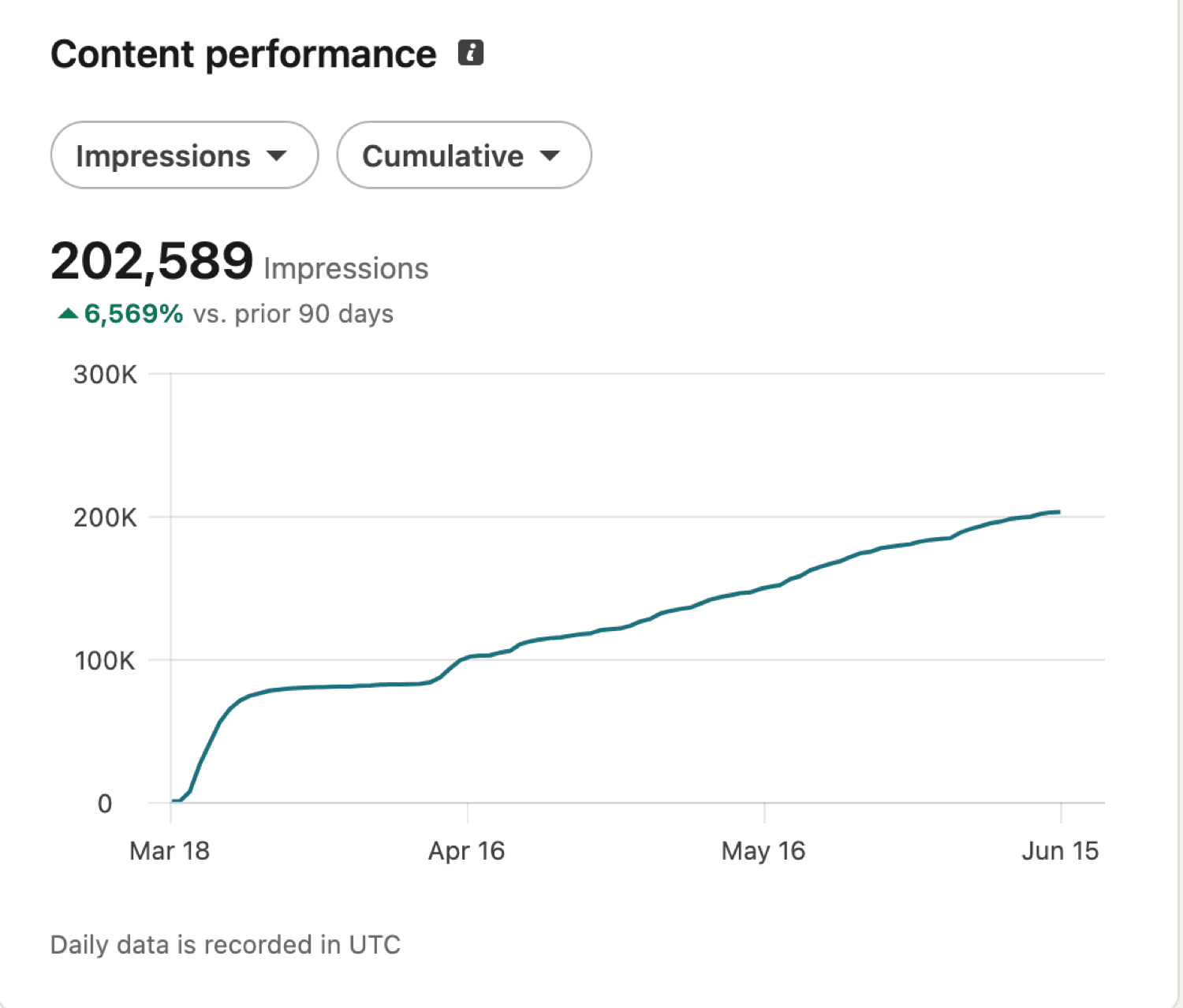
Real performance is specific, sourced, and reproducible — not a vague promise of 'more visibility.' Done right, content marketing for a practice can reach scale that compounds: a single YouTube Short can hit 22.8M views and add 8,400+ subscribers, and a channel can reach 23.1M views in five months. On LinkedIn, disciplined publishing can drive 202,589 impressions with a +6,569% lift in 90 days, 71,873 impressions (+4,328%) in a single week, and a top dental post above 60K impressions. Email to a targeted dentist audience can sustain open rates up to 31% while reaching thousands of inboxes. These are the kinds of concrete, time-bounded numbers a working agency can point to — and the kind you should ask any agency to show.
Numbers are the start — not the finish line
Big numbers prove distribution, not dollars. A working agency treats reach as the top of a funnel and stays honest about the rest: are those impressions reaching the right geography and the right patients, are they generating calls and form fills, and are those leads converting to booked, kept appointments? Be skeptical of any agency that quotes a guaranteed ROI, a fixed cost-per-acquisition, or a precise patient count before they've seen your market, your fees, and your conversion data — those numbers depend on factors no agency fully controls. The right partner shows you real proof of what they've produced, then builds a measurement path from reach to revenue rather than inventing a number to win the deal.
How to vet a dental marketing agency
Start with proof, not pitch. Ask to see live examples and the actual metrics behind them — screenshots of dashboards, post analytics, channel data — and confirm the numbers are theirs and recent. Check that they have genuine healthcare experience: a track record with dental or medical practices, familiarity with HIPAA-aware workflows, and an understanding of how platforms treat health-related advertising. Read the contract terms before the case studies seduce you: month-to-month with no long lock-in signals confidence; a 12-month minimum often signals the opposite. Finally, look at how they report. You want a clear, recurring view of leads and appointments tied to spend — not a monthly PDF of 'activities completed.'
Questions to ask before you sign
Use these to separate operators from order-takers. What single number are you accountable for, and how will I see it weekly or monthly? Can you show me real results from a practice like mine — and are those metrics yours? How do you handle HIPAA and the platforms' health-advertising rules? Is the engagement month-to-month, and what happens if I want to pause or leave? Who actually does the work — in-house specialists or subcontractors? How will leads be tracked from first touch to a booked appointment? What will you need from my team, and how much of my time does this take? Clear, specific answers are a green light; deflection or jargon is a red one.
Healthcare-specific vs. generalist agencies
A generalist agency that markets gyms, e-commerce stores, and law firms can produce competent ads — but dentistry is its own world. Health advertising carries platform restrictions a generalist may trip over, patient communications must respect HIPAA, and the buyer journey for, say, implants or Invisalign behaves nothing like an impulse purchase. A healthcare-specialized partner already knows the compliant ad angles, the messaging that builds trust with anxious patients, the seasonality of treatment demand, and the channels where dentists and patients actually pay attention. That specialization is why a focused agency tends to reach the numbers above: it isn't relearning your industry on your budget.
Red flags to walk away from
A few patterns reliably predict disappointment. Guaranteed results or a promised patient count before any discovery — no one can promise what they haven't measured. Long mandatory contracts with stiff exit penalties, which protect the agency, not you. Vanity-metric reporting — likes, reach, followers — with no line to appointments or revenue. Vague answers about who does the work, or every task quietly subcontracted overseas. No verifiable healthcare experience, or 'case studies' with numbers they won't let you confirm. And pressure tactics: artificial deadlines, 'this price expires tonight,' or discomfort with you asking the questions above. Any one of these is reason to slow down; several together is reason to leave.
Bottom line
Do dental marketing agencies work? Yes — when they're specialized in healthcare, accountable to patients and revenue, transparent in reporting, and confident enough to work month to month. No — when they sell vanity metrics, hide behind long contracts, and promise numbers they can't tie to your chair. The category is full of both, so the burden is on you to vet for the first kind using the questions and red flags above. If you'd like a clear, no-pressure read on where your practice actually stands, Tepexa offers a free 5-minute AI practice audit — a fast, honest baseline of your current marketing, with no contract and nothing to sign.