Plastic surgery marketing in Miami has to run two practices at once. One serves a largely bilingual local patient base, where the consultation, the consent document and the aftercare instructions all have to work in Spanish. The other serves patients who fly in, recover somewhere you cannot see them, and weigh your quote against a clinic in another country. Both are winnable and neither is won on price — what follows is our recommendation for a market like South Florida rather than measured local data.
Spanish is a branch of the practice, not a translation layer
In aesthetics generally, language is a marketing preference. In surgery it is closer to a clinical requirement, because three documents decide whether a patient is genuinely informed: the risk conversation, the consent form and the post-operative instructions. A translation tool is not good enough for any of them. What that looks like in practice: hold the consultation in the patient's own language with a clinician or a trained coordinator rather than an app; keep consent and pre- and post-op instructions available in Spanish and confirm comprehension instead of just collecting a signature; expect a spouse, mother or sister in the room or on the call, and treat the family as the decision unit your messaging speaks to; answer a Spanish review in Spanish; and give Spanish ad sets their own budget and their own reporting line so their results are visible rather than averaged into an English campaign. The honest rule is to do the one additional language you can properly staff rather than three you can only translate.
A patient who flies in is not a patient who lives here
Mixing these two populations corrupts every number you look at, so split them deliberately. For the travelling patient, the hard questions are logistics and distance, and she is reading your site to find them answered in writing: where she stays, how long before she can fly, who sees her on day three, which local clinician handles her follow-up at home, and what happens if something is not healing correctly after she has left. A page that answers those plainly outperforms any amount of aspirational imagery, because it is the only thing standing between her and a cheaper quote she is genuinely nervous about. A local patient is a different asset entirely: in-person follow-up, staged procedures across years, and a referral network you can actually build on. Run them as separate campaigns with separate reporting, and never let travel cases flatter your referral rate or your retention numbers.
The price comparison you should refuse
Somewhere in the decision, a Miami patient will put your quote next to one from a clinic abroad. You will lose that comparison on the number every time, and you should stop trying to win it. Compete instead on the things a cheaper quote cannot put in writing: who is actually performing the operation, where it takes place and whether that facility is accredited, what the revision policy says on paper, and how aftercare works when something goes wrong at 11pm on a Saturday. Then be transparent about price anyway. A published starting range plus financing options filters the shoppers out before they take a consult slot, whereas vagueness does not protect your pricing at all — it simply hands the qualifying job to whoever answers the phone. We publish our own starting rates for exactly that reason. If your practice also runs injectables, the entry-price pressure is sharper on that side of the business, and our breakdown of med spa marketing in Miami deals with it directly.
Your consult calendar and your surgical calendar are offset
Season in South Florida fills the consult calendar first and the operating room several weeks later, which is why pacing spend against bookings misleads you here. Pace it against the surgical date you are trying to fill instead: campaigns warmed and landing pages tested ahead of the busy months, because a cold launch spends its first fortnight learning who your patient is. Then, when the city thins out, move the money from acquisition to the consultations you have already paid for and never converted — the patient who consulted in March and did not book is far cheaper to recover than a stranger, and in a surgical practice that backlog is usually larger than the owner expects. Again, this is a planning recommendation for a market like Miami rather than a measurement; your own consult-to-surgery lag is the number that should set the pace.
Translated ad copy is where platform rules break
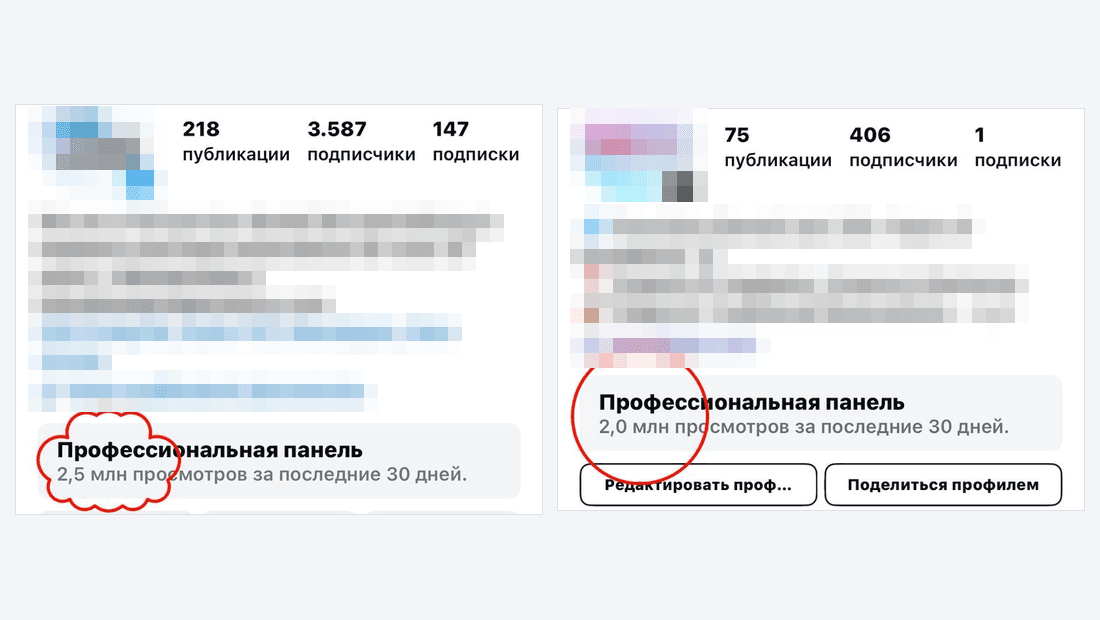
Platform policies apply identically in both languages, and translation is exactly where practices breach them, because a phrase that reads as motivating in English can read as shaming in Spanish. Appearance-shaming language is what Meta actually prohibits — before-and-after imagery for cosmetic procedures is permitted when the ad is targeted 18+ — so have a native speaker review Spanish creative against the policy rather than only for grammar. Google draws its line in a different place, which means a single asset is rarely compliant everywhere. The reach is there when the creative is right: our Instagram work for two US dental labs — an adjacent field, not a surgical practice — produced 2.5M and 2.0M views in 30 days. And in either language, every patient photo, quote or story is protected health information requiring documented written consent for that specific use; HIPAA does not care which language the conversation happened in. This is not legal advice, and the platform-by-platform breakdown is in our reference on Google and Meta healthcare ad rules.
Where to start with plastic surgery marketing in Miami
One honest note about us: Tepexa supports Miami and South Florida practices remotely — our production team works from Israel and Ukraine, and we coordinate native Spanish resources into the work rather than staffing a Spanish-language team locally. Engagements are month-to-month, with ad campaigns from $650/mo plus ad spend and short video from $1,400/mo. Start with the language audit, because it is the cheapest and most revealing: take your last fifty inquiries, mark which arrived in Spanish, and check how many got a reply in the same language and how fast. Then split your consult records into local and travelling patients and look at which group actually reaches the operating room. The strategic layer — authority content, the consult funnel and what to measure — lives in our plastic surgery marketing guide. And if an agency offers you a guaranteed number of surgical cases in a market this competitive, that is a red flag rather than a plan. Our free 5-minute AI practice audit will show you where the inquiries are currently going missing.