Med spa marketing in Los Angeles is the demand system an aesthetic clinic uses in a market where injectable competition is dense, patient expectations are set by influencer-grade content, and a paid click costs more than in almost any other US metro. The shape that works here is consistent: short-form video carries discovery, local search captures intent, and memberships hold revenue together between visits. Discount-led acquisition backfires in LA, because the patient who came for your promotion already has three more saved.
Why buying patients in Los Angeles costs more
You feel the density before it shows up in a dashboard: an aesthetic practice on every commercial block, a dozen accounts in your catchment posting the same treatment this week, and a cost per click on injectable and laser terms that can drain a $1,500 test budget in under two weeks. In a market like LA, plan for that instead of being surprised by it. Buy the searches that sit close to booking — branded queries, treatment-plus-neighborhood, "near me" — and let short-form video and local search do the introducing, which they do at a fraction of the cost. Then judge paid work by consults booked and by what a patient is worth over a year, not by cost per form fill. A $180 inquiry who joins a membership is cheaper than a $40 inquiry who redeems one promotion and leaves. If you cannot tell which half of your budget is doing the work, our free 5-minute practice audit is the fastest way to find out.
The Los Angeles demand calendar
Demand here is not flat, and clinics that plan for the swings stop discounting to fill the gaps. Expect an event-driven run through the cooler months, when patients want low-downtime injectables and skin prep timed to a specific date on the calendar. Expect body and contouring interest to climb from early spring as summer gets close. Low-sun months are also the easier sell for resurfacing and anything whose aftercare asks a patient to stay out of the sun — which means your resurfacing content should already be running before that window opens, not after. Practical version: pick the two or three windows your clinic actually earns money in, produce the content six to eight weeks ahead of each, and move ad budget in before the spike instead of bidding into it at peak prices. These are planning recommendations for a market like Los Angeles, not measured demand curves. Treat them as a starting hypothesis and let your own booking data correct them.
Neighborhood and language decide the offer
Los Angeles behaves like a dozen markets stacked on one map. A patient in Beverly Hills or Brentwood buys on reputation and aesthetic and rarely opens with price; a few exits away, the same treatment needs financing, an entry path, or a clear reason the value holds. Language belongs to the same problem. Large parts of LA search and decide in Spanish, and individual catchments have their own — Korean around Koreatown, Farsi on the Westside, Armenian in Glendale. If your chairs are filled from one of those communities, a translated banner will not do it: a proper Spanish-language landing page, Spanish captions on your best-performing videos, and someone who answers the phone in Spanish will beat it comfortably. Pick the two audiences you can genuinely serve, build for them, and stop running one campaign that speaks to nobody in particular.
In LA, traffic is a conversion problem
Six miles is fifteen minutes at 10am and forty at 5pm, and that quietly reshapes your marketing. Your real catchment is a drive-time radius, so target by drive time and stop paying to reach people who will never make a second appointment across town. Put parking and access details on the booking page, because in this city that is a real objection, not a detail. Offer early-morning and after-work slots. Cluster follow-ups so a treatment series is not three separate rush-hour trips. And confirm relentlessly, because a bad commute is one of the most common reasons an LA appointment quietly turns into a no-show. Automated reminders, a one-tap reschedule link and a follow-up sequence are the cheapest protection available — that is exactly what CRM and reminder automation is for.
How much proof an LA patient needs before booking
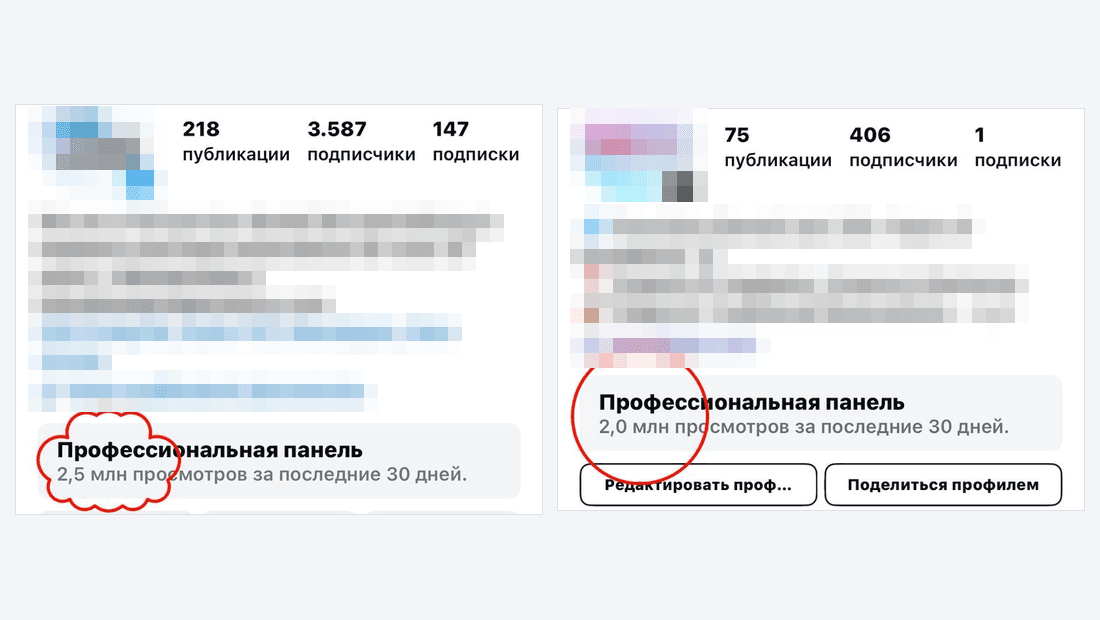
More than you would like, and more than in most markets. Your prospect has already watched influencer-grade content and saved four clinics before your ad appears, so the job of your content is not to announce that you offer Botox — it is to make your results, your hands and your judgement visible. Short-form video is the lever we trust most for that: Reels we produced for two US dental labs did 2.5M and 2.0M views in 30 days, and the same craft transfers to aesthetic work — consented before-and-afters, honest explanations of what a treatment can and cannot do, and the questions patients are too embarrassed to ask out loud. Signed consent and HIPAA-aware handling are non-negotiable on anything patient-facing. Then take the friction out of the last step: when we measured 832 US dental practice websites — a neighbouring specialty, not a med-spa benchmark — 41.6% had no online booking we could detect. If the patient who finds you at 11pm has to call during business hours, you paid for that patient and did not keep her. Our guide to Instagram marketing for med spas covers the content engine; the dental website statistics study shows what booking friction looks like once you count it.
Memberships answer churn, which is the LA problem
The constraint in Los Angeles is not seasonality, it is churn. Your patient is shown a new clinic every time she opens Instagram, so the answer to a quiet week is not a deeper discount — it is a reason to come back on a schedule. One injectable visit is a few hundred dollars; a patient on a membership or a pre-paid series is worth several times that across a year, and that number is what lets you bid above a discount clinic for the same new patient and still make money. Price the membership so the second visit is already decided, and back it with one simple habit: a message when a maintenance window comes due, and a low-key win-back for anyone you have not seen in six months.
Where to start in a market this crowded
One honest note about us: Tepexa works with Los Angeles aesthetic clinics remotely, and we would rather say so than imply a Beverly Hills address. The full scope sits on our dermatology and med-spa marketing page, and engagements are month-to-month. Start narrow: fix booking friction, pick one demand window, build the content engine for it, and count consults instead of clicks. For the channel-by-channel version, the complete med spa marketing guide is the pillar this article sits under. And whatever you do, treat a guaranteed number of new patients as a red flag — in this market, nobody can honestly promise it.